
Blog

Blaming God

I was talking to my son the other day. He told me how he felt guilty about Rory’s death. That he should have done more.

Then he expressed that he wanted to be angry at God and blame Him for Rory’s death.

I said, “Do it. Blame Him for a while.”

Heavenly Father didn’t say only come to me when you’re happy.

Only pray to me when you’re in a good place.

Only seek me out when you have all the answers.

No.

He said come to me for comfort.

Pray to me when you’re struggling.

Seek me when you have questions.

I believe our Heavenly Father would love to take that blame and guilt away from my son. God would be happy to hold that for him until he’s able to forgive himself and heal as much as he can.

God’s love is unconditional.

That love will survive the anger we feel when we’re thrown into things we don’t understand. When we’re just barely getting by.

That love will be there when we find happy again.

I think He wants to be there for us through all of it.

Ultimately, my son doesn’t feel like he can blame God.

After all, He’s been where we’re at.

He watched His Son die.
Rory Ann Moore Foundation

A week after Rory died, we stumbled through Thanksgiving.

Two weeks after that, we limped through a move across town.

Two weeks after that, we crawled through Christmas.

By the time New Years hit, we were face first on the floor.

I lifted my head long enough to see the longest, coldest month ahead of us, with Rory’s birthday at the end.

The first birthday without her.

How were we going to get through this month?

This was going to be unbearably painful.

Lance and I talked about a lot of ideas. What we decided on was to do a service project that would end on her birthday.

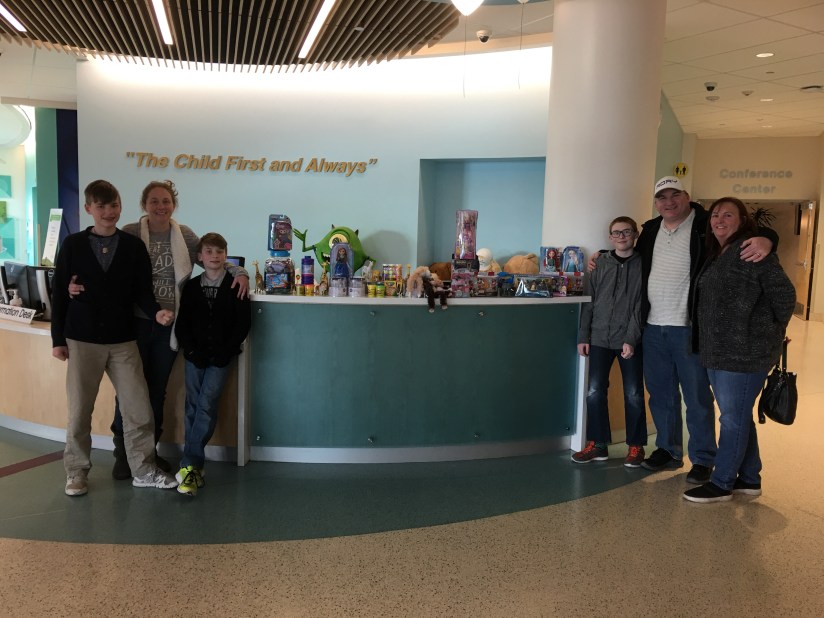
I made calls and sent emails and we decided to do a service project with Primary Children’s Hospital.

We collected toys.

We made wands.

We collected crafts and bubbles.

We knew that Rory loved other kids and would want to make them smile.

We wanted to honor that sweet love.

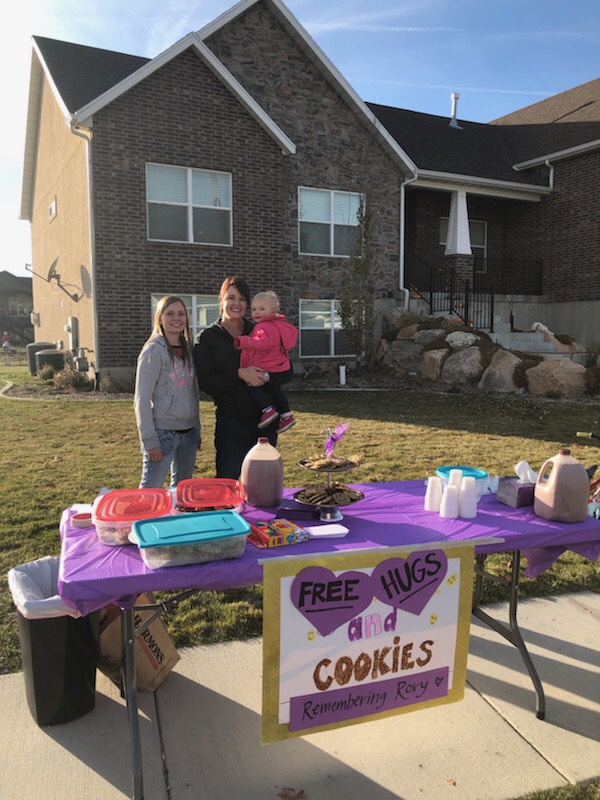
That is the reason behind the Rory Ann Moore Foundation we created.

We wanted to remember her.

We want to spread her love.

We want to bring the joy to others that Rory readily provided in our lives.

If you want to learn more about the Rory Ann Moore Foundation, the link is here: https://writingthroughgrief.com/rory-ann-moore-foundation/

In the few days we have been accepting donations, we’ve been overwhelmed with your love and support.

We miss Rory with every fiber of our beings. Thank you for helping us remember her and honor the funny, kind, silly, loving girl she was.

The Point of No Return

At the beginning of a novel, the main character usually experiences a change. Something happens in his or her life that means it will never be the same.

It’s a point of no return.

The character has no choice but to move forward. The way he or she moves forward is what we follow along as we read the rest of the book.

Everyone hits points of no return. Many times in their lives.

For me, there are a few big ones that come right off the top of my head.

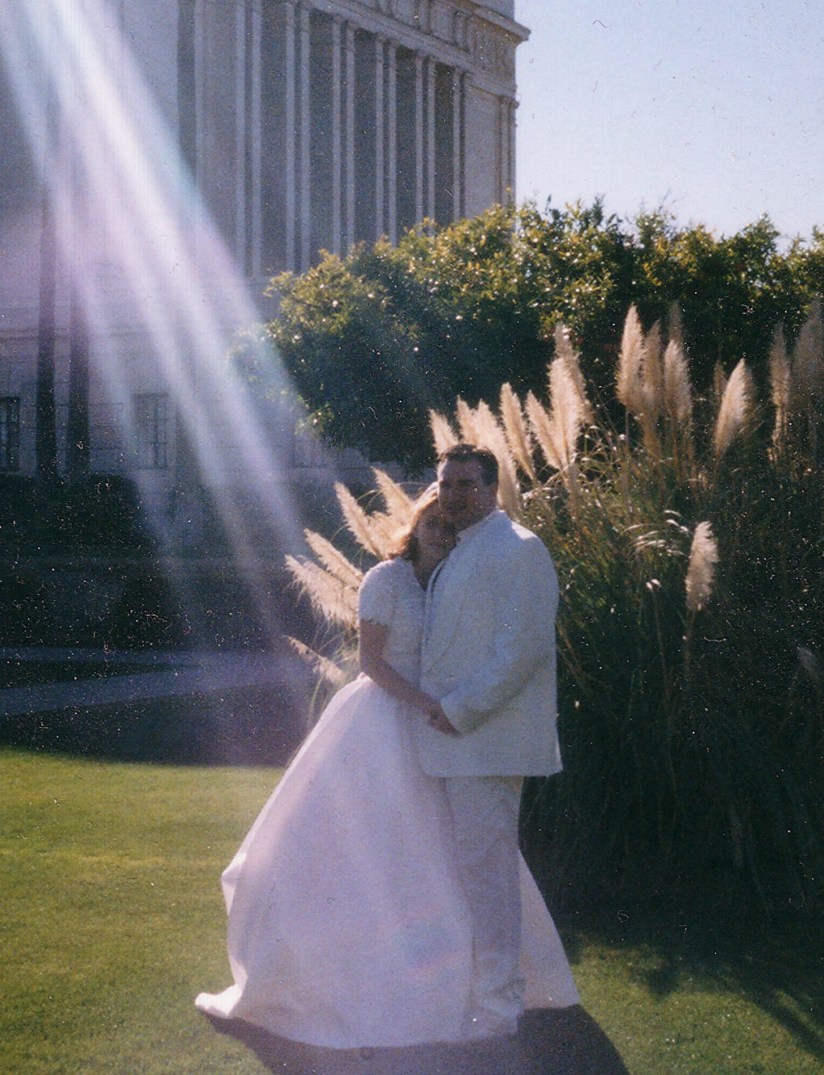
January 2000- The day I married my husband.

August 2001- Lance and I moved across the country together and get post college jobs.

July 2004- The day I became a mom. The day the twins were born.

January 2007- The day Dax was born.

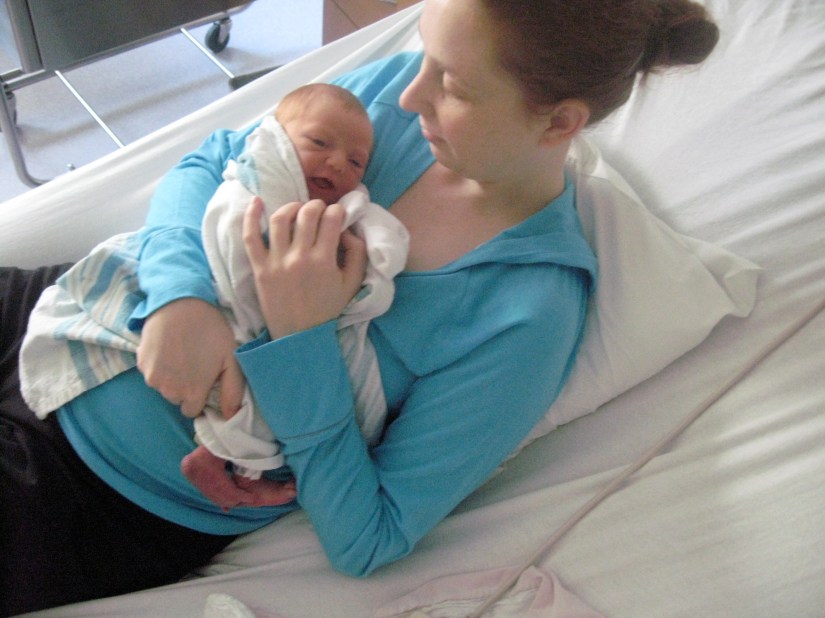
February 2009- The day I had my only daughter.

June 2010- We moved back West to live near family.

November 2017- The day Rory died.

My life fundamentally changed with each of those events.

Some of your points will be the same, others different. They can include divorce, drug addiction, illness, death of a spouse or parent, loss of employment, etc.

What we do know is that each person on this Earth will experience harrowing, drop to your knees sorrow.

I just want to encourage love today.

Love your sibling that’s struggling through a divorce.

Love your neighbor that just had a new baby.

Love the stranger that you don’t even know what they’re going through.

I want to extend my love to all those that are hitting a hard point of no return right now.

Life sucks that it’ll never be the same.

But with each step you take, you have the opportunity to love more. To care more. To empathize like you never have before.

Keep stepping.

Others need you.

Brain Problems

I’ve read articles where experts talk about the affects of grief on the brain. The idea that people in the depths of grief don’t have the same brain function as they did before.

There’s truth to that.

I can’t speak to the science. I have no idea. I can speak to my everyday brain.

I have always been a scheduled person. I want plan out days, weeks, months.

I was eager to plan holiday celebrations.

I loved planning vacations.

I was on time and kept my life and my family’s life in order.

Man, that’s not how my life runs anymore.

I have to calendar every event. If it’s not in my phone, I won’t remember it.

Planning activities feel so overwhelming. If it’s more than three steps then it’s too much for me. We’re winging way more than we used to.

The number of times I open my computer to look something up, or turn on my phone, or walk into another room and completely forget what I’m doing. It’s UNREAL! Things are gone from my brain in seconds! I mean, I did that occasionally before, but now, it’s off the charts.

Between Lance and I, we pull off vacations together, each taking a part. Even then, it’s not planned out like it once was.

One of the things I’ve noticed is that my brain is constantly trying to process grief. Every minute, it’s working through the trauma, the sadness, the missing, the strategies to get my family and me through this hard life.

This leaves a lot less brain power for the everyday.

When people say that grief affects every aspect of people’s lives, it’s true.

Down to everyday functioning.

Down to brain power.

What Can I Do?

There are a couple of questions that I get asked quite a bit. One being:

What can I do for people who are grieving?

It’s a great question without an easy answer. Every grieving person is different. In fact, every grieving family member mourns differently.

But I think it boils down to two main things: show up with love and be patient.

Show up

Showing up will look different depending on the person grieving and the relationship you have with them.

Are you a Facebook friend or a best friend? Show up according to your familiarity with that person.

Show up with a dinner. That’s wonderful because food is the last thing a grieving person wants to think about.

Show up and sit on their couch with them. Listen. Express love. Let them tell stories of the deceased. Tell them stories of the deceased.

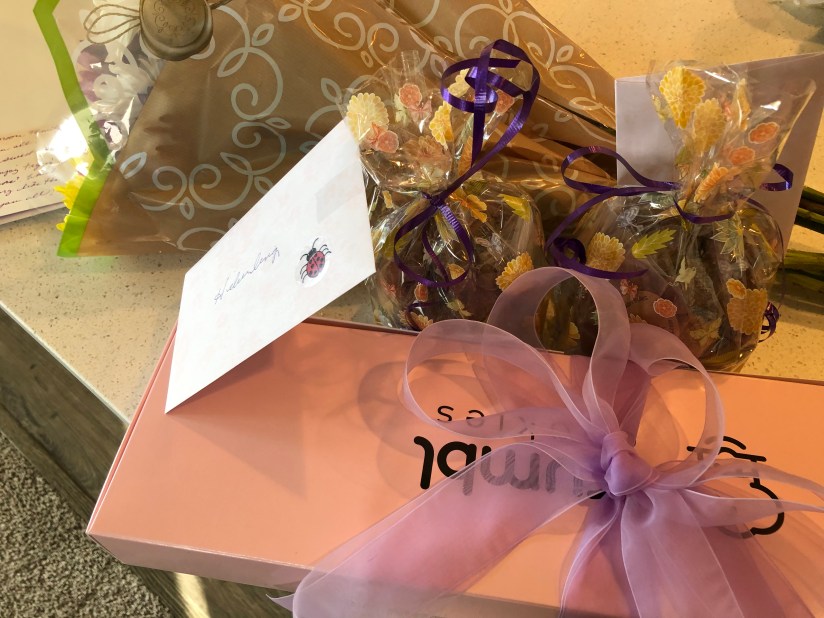
Show up with cards.

Show up with emails.

Show up at the funeral.

Show up with flowers.

Show up with treats.

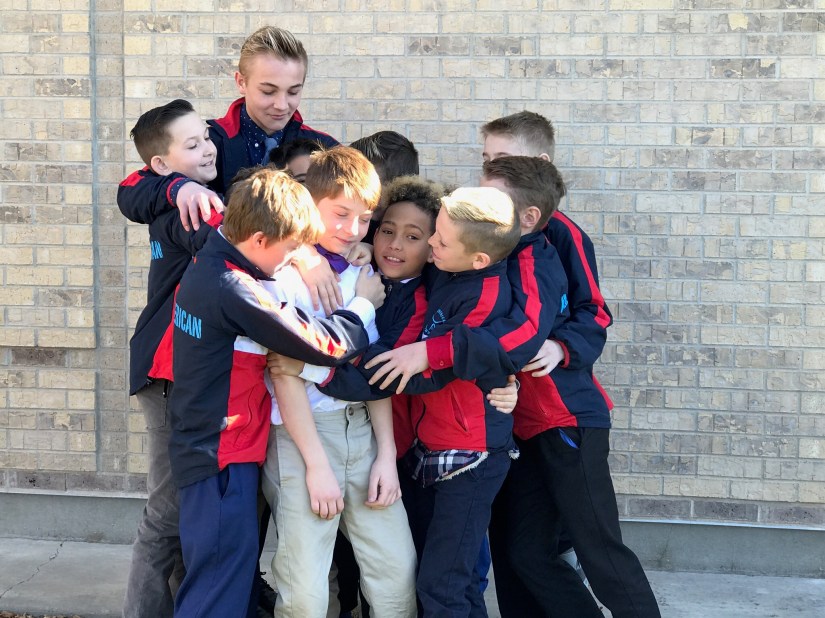
Show up with hugs.

Show up well after the death. Your life moved on. Theirs didn’t. Show them their loved one isn’t forgotten.

When you show up, show up with patience and understanding.

Those of us grieving are messed up.

Our emotions are at the surface. There’s a really great chance we’re going to cry. If you can ride out that emotion with us, we’re grateful we had an opportunity to talk about our loved one. To connect with another in our mourning.

Be patient with planning. Each day brings difficulties with it. Be understanding if your grieving friend is late or has to cancel. If your grieving friend has a spouse or kids, he/she is trying to juggle other people’s grief and needs as well.

Be patient with responses. Especially right after the death, my phone exploded with messages and notes of love. I read each one, they were beautiful and I was grateful. But I didn’t have the energy to respond. Be understanding of their emotional and physical limitations.

My best advice:

Show up with zero expectations, bringing in all the love.